iKasiLife
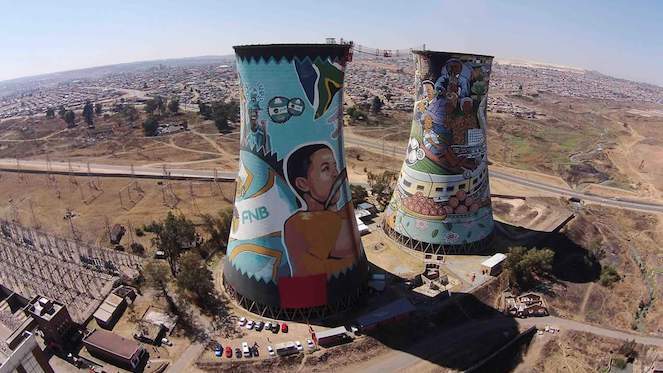
Townships or kasi* (totsi taal) as it's regularly called, is
the place to be this Easter festive season. In most cases whenever a person
thinks about ikasi, they progress toward becoming petrified from all the
frightfulness stories shared – they think robbery, two fingers, grab and go,
drugs. What they don't frequently enlighten you regarding ikasi is that, ethics
and the soul of Ubuntu are imparted inside the group.
Everybody knows everybody in ekasi and we as a whole live
respectively as family.
IKasi begins from the late nineteenth century, yet the
pinnacle of its fame came amid the politically-sanctioned racial segregation
times when non-white racial gatherings (Blacks, Coloured and Indians) were
strongly evacuated out of their residence to "exceptional" undeveloped
spots.
The areas where individuals were moved to were squatter
camps, where huge African families were squashed into little houses made of
materials like zinc and did not have the fundamental administrations like
sanitation, running water and power.

Each kasi has its own particular kasi-lingo and some perhaps extraordinary however most of them are the same.
Understanding the language isn't that difficult, individual simply needs to
focus on what the kasi people are trying to state. Kasi_slang has understood
that energizing kind of its claim, and the other variety of languages has its
own particular kasi_slang. Here are the cases of kasi-lingo in each hood in South
Africa:
• Coconut – this refers to an African black person who is dualistic in their nature, usually Black on the outside and White on the inside.
• Shimself-referring to a she/he-a gay man.
• Alfred Khuzwayo- means an AK-47 as in “Ngi zom’ thethisa nge Alfred Khuzwayo” (translate: “I’ll shoot him down with an AK-47″.)
• Amashwang-shweng – refers to a nice/beautiful hair style by a lady.
• 411 – Giving someone the latest news and gossip.
• 6 no 9 – “same difference”. Like “potato, potatoe”
• Dankie san – [Origin: Rap Music] “Thanks, Dude”. Soweto rapper Pro Kid has used it for his new fashion-label, bringing it into the commercial space.
• Ama-Get-Down- refers to dancing or to have a party. E.g “Sizobe sishaya ama-get-down le-weekend,” (translate: we will be having a party and dancing this weekend).
• Bogata or Bo4- means the police.
• Bling-Bling- ladies who are light in complexion.
• Blind- means something or someone is good or impressive.
• Central lock- knock-knees or Kiss madolo.
• Clipper- hundred rand note
• Choko-twenty rand note
• Tiger-ten rand note
• Chicken dust- chicken braai done by the roadside.
• Duzu- It’s a cigarette.
• Zikhiphani?- means what’s up?
• Dae Ding- means that thing. Uses: If somebody doesn’t want to mention what he/she is asking for, they will say give me ‘Dae Ding’ meaning give me ‘That Thing’.
• Double Doley- means everything is okay.
• Happy meal- dating a young girl.
• Frying pan-used to refer to someone who likes to lie.
• Umdobolo- products that you can buy from vendors on the streets.These products are cheap and fake.
• Fede- means how are you or how you doing or what is happening in your life (my personal most random and favourite word,hahaha..Don’t judge).
• Isgemegeme- a thug or hobo or someone suspicious.
• Gusheshe- (Origins: comes from the grill of a BMW) Refers to a BMW.

• Sny- an idiot.
• Gatvol- “Fed up” in Afrikaans. With the ‘v’ pronounced like an ‘f’, it’s very similar to the English “gutful”. As in ”Eish! man. I’m gatvol of this fundi. He has no idea what he’s talking about.
• Phanda- hustle.
• Gidlisa- to act as if you don’t know nothing.
• Holla gazee-a phrase meaning how are you my friend?
• Helen Zille- a nagging chick, usually over protective, insecure partner.
• Hooi Hooi- greetings(a phrase mostly used by radio and TV personality Dj Sbu)
• Izinyoka- means Thugs or thieves. Commonly used to refer to people who steal cables.
• Kwaal- is popular in Zola (a Soweto township) for jealousy i.e. when someone doesn’t want to see you prosper we normally say: une KWAAL.
• Inja- it’s literal meaning is a dog. It it’s now commonly used as an expression of respect, and hence means a Top Dog. Uses: Brian Habana is a top dog.
• Jive- means a problem. As in, “Ke nale jive le medi ya gago.” (translate: I have a problem with your girlfriend/wife).
• Jack Bemel- means a witch doctor.
• Johnnie Walker- someone who doesn’t have a car

• Kota- in Pretoria it’s known as Spatlo and in the Vaal they refer to it as Skumbani. A quarter of a loaf of bread, with any filling inside. The filling can be meat, potatoes, atchaar, whatever you like.
• Kosovo- a very dangerous place
• Kelly Khumalo- pulling a Kelly Khumalo – Claiming to be a virgin when you are clearly not one
• Khanyi Mbau- means gold digger. Pulling a Khanyi (gold digging).
• UFULL- gold teeth.

(www.tyi.co.za)




Don't you think the Kasi Life blocks the mentality of the youth within the Kasi life ?
ReplyDeleteNot everything happening in ekasi is negative, the government is trying its best implement change like sports and other positive things
DeleteThe kasi is so rich and diverse in culture and i'm actually shocked at the fact that each kasi has its own lingo.
ReplyDeleteIt is very diverse and now people coming up with vintage wear again
DeleteI have never seen such appreciation over lasi life like you did and i am greatly glad, great work Mlu
ReplyDeleteI appreciate the complement Sharlotte
Deletewe tend to shift our focus from our beautiful surroundings to wanting to see beauty at other high fashionable places, but where we come from truly defines our kasi life, you did a good job in making us recognize that
ReplyDeleteDefinitely true Thembeka and hope other people can recognize it as well
DeleteThis comment has been removed by the author.
ReplyDeleteThe kasi life has got recognition from all over world
ReplyDeletewell written article, has useful information about the kasi life
ReplyDeleteIt can help other people from different countries
Deleteinteresting story
ReplyDeleteIt is indeed an interesting story
DeleteThis blog gives me information and knowledge about kasi life and how good it is to experience the different things that you have never experienced before when you go to eKasi.
ReplyDeleteI am glad the information is giving you some knowledge and experience about the kasi life and hopefully you can also visit
Deletei've been reading articles about Kasi lives, but there's no article explains Kasi life like this one. Well said Mlungisi. i'm just happy cause i know the struggle from the hood.
ReplyDeleteI also had to be broad about it and let people know how we live as a family. I'm also glad that you are also familiar about the kasi life
DeleteThis comment has been removed by the author.
ReplyDelete